Turn field photos into decision grade asset intelligence
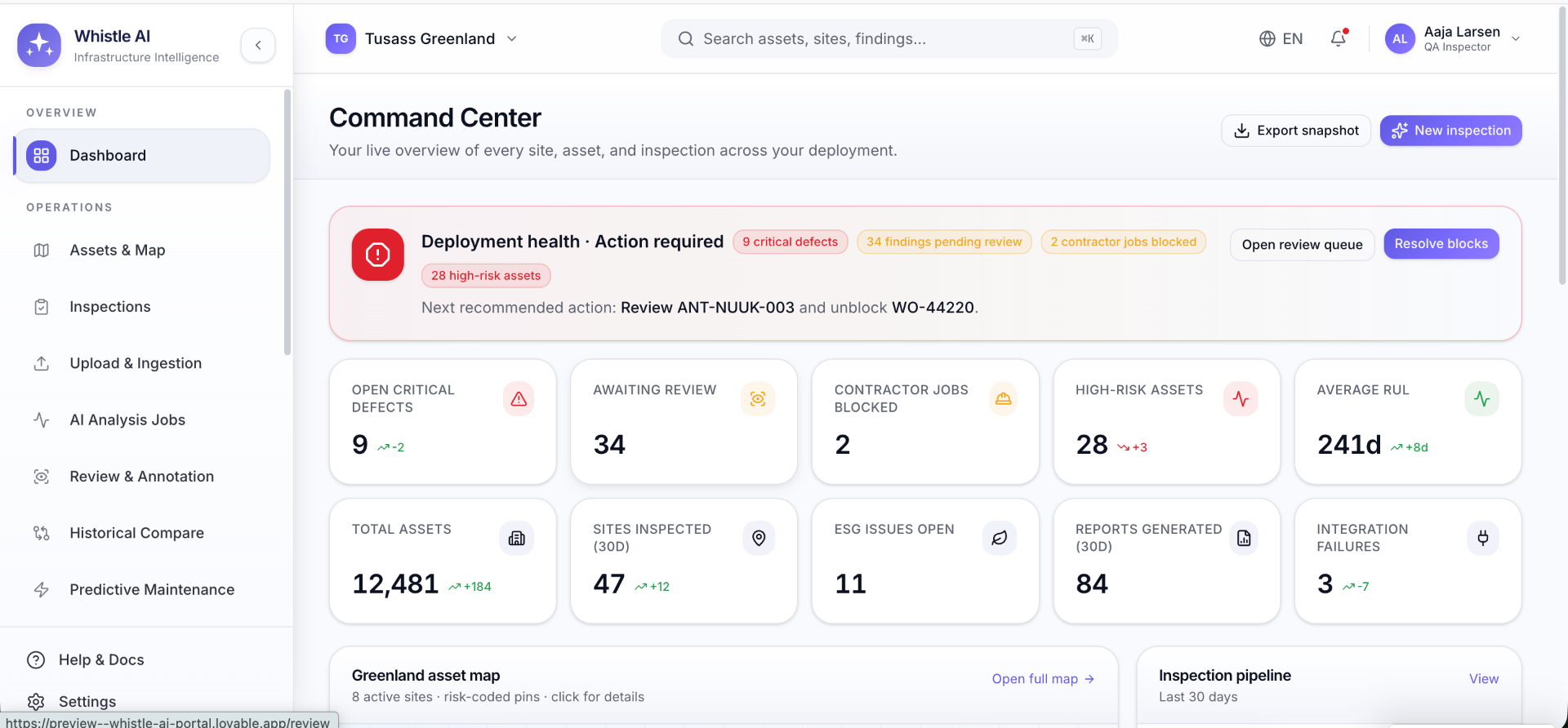
Whistle AI is an AI-assisted inspection and predictive maintenance platform for telecom infrastructure. Capture with mobile or drone, detect defects automatically, compare against history, and predict what fails next, with a full audit trail.
90%+
Detection target
<1s
Cloud inference
99.5%
Uptime SLO
Core capabilities
Built for telecom asset inspection, not generic photo analysis
The detector is only one layer. The product value sits in the defect taxonomy, review workflow, condition history, and decision-ready reporting around it.
Smart Capture
Mobile and drone photos with GPS, time, and location proof, so every image is evidence.
AI Detection
Automatic detection of rust, cracks, missing bolts, and more, each with a confidence score.
Predictive Analytics
Remaining Useful Life forecasts and risk scores from condition trends.
Historical Comparison
Side-by-side compare against past captures, with overlays that highlight change over time.
Safety First
Inspect from imagery and cut risky tower climbs.
Enterprise Ready
API-first, built to fit your existing stack.
ESG Compliance
Detect and quantify on-site waste, and produce sustainability evidence.
Workflow
From capture to audit-ready report, in five connected steps
Each stage makes the next one faster. Evidence is structured from the first image, then compared, reviewed, and escalated with context still attached.
Capture
Mobile and drones collect GPS-stamped images with time and location proof attached at the moment of capture.
Analyse
AI detects defects across the telecom taxonomy and classifies severity with confidence scores.
Compare
Side by side against history, with overlays that highlight change and surface slow-moving deterioration.
Predict
Forecasts Remaining Useful Life and risk, so maintenance is planned, not reactive emergency work.
Report
Automated dashboards and compliance-ready PDFs, exported in one click for audit and contractor review.
Defect taxonomy
The moat is the depth of the inspection model around the detector
Whistle AI uses a telecom-specific defect taxonomy, severity grading, urgency labels, and capture-to-report workflow. That domain structure is what turns imagery into actionable inspection intelligence.
Corrosion on structural members
Fasteners missing at tower joint
Bent support member
Crack forming near connection plate
Paint failure exposing steel
Severity mix · Tower
5 defect types
Severity drives the review queue. Urgency labels determine routing for field action.
Trust
Why teams can trust Whistle AI
Evidence-led pilots, transparent validation, and human review where decisions matter. Trust comes from clear scope, visible product depth, honest capability framing, and credible operational posture.
Domain depth over generic detection
The defect taxonomy is built for towers, antennas, cabinets, grounding, cabling, and contractor review, not generic photo tagging.
Security and review posture
Tenant isolation, audit logging, data-subject rights handling, and human review gates are designed into the workflow from the start.
Backed by Eurokinisi
Whistle AI is delivered under the Eurokinisi group from Bucharest, giving buyers a credible operating context without inflated claims.
Accuracy framed with method
Targets are presented with validation context, per asset family, instead of vague headline claims.
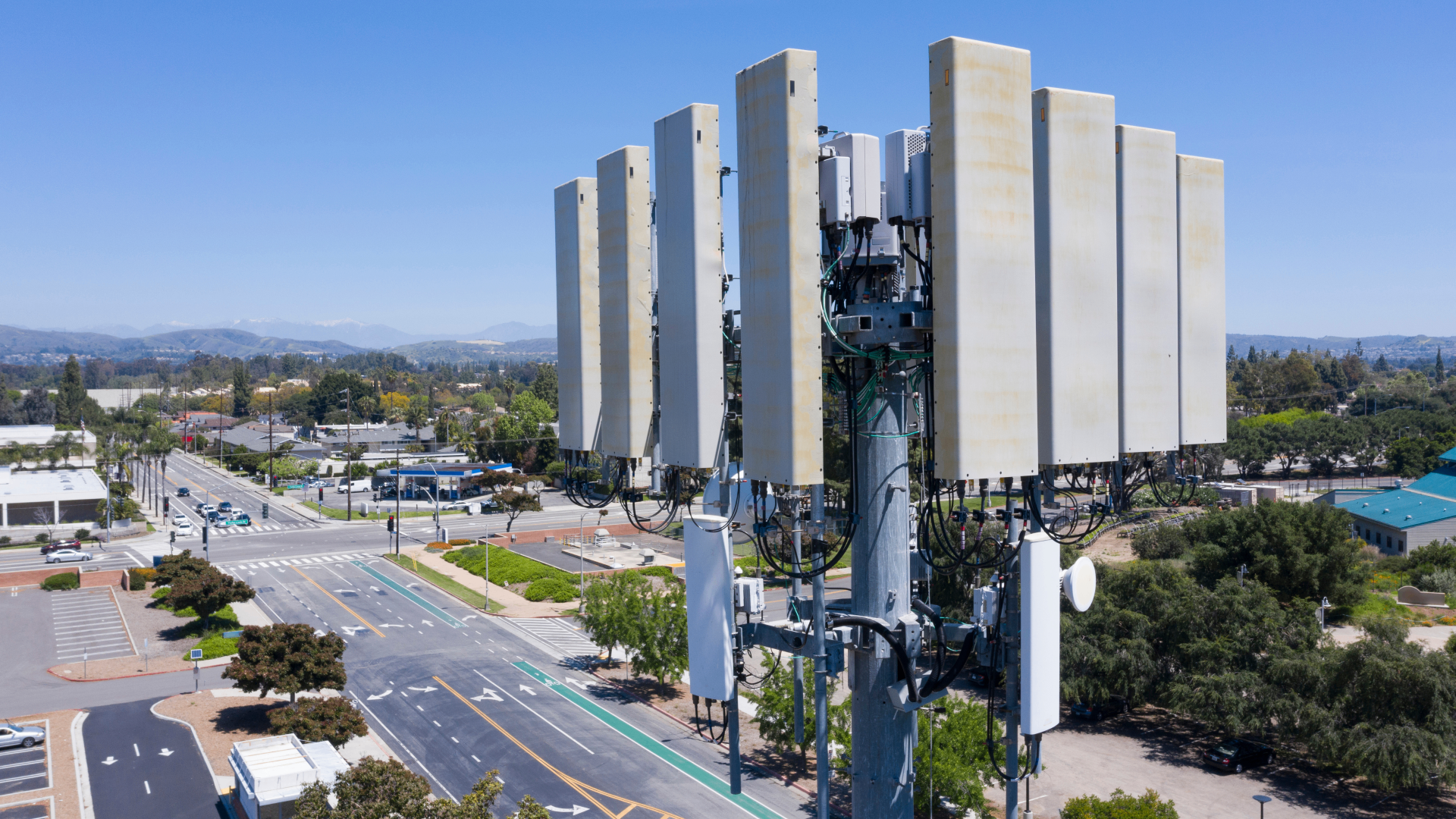
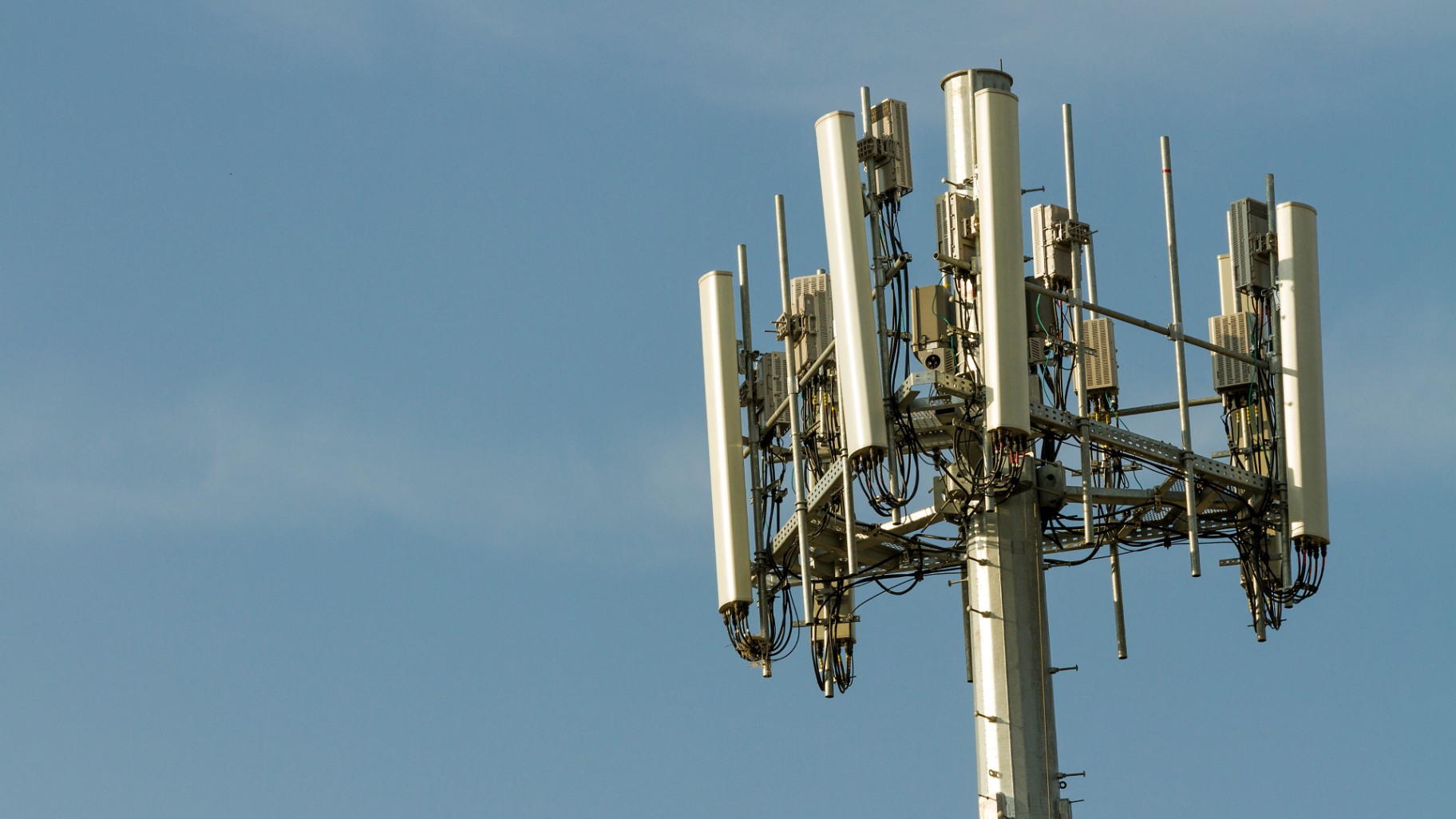
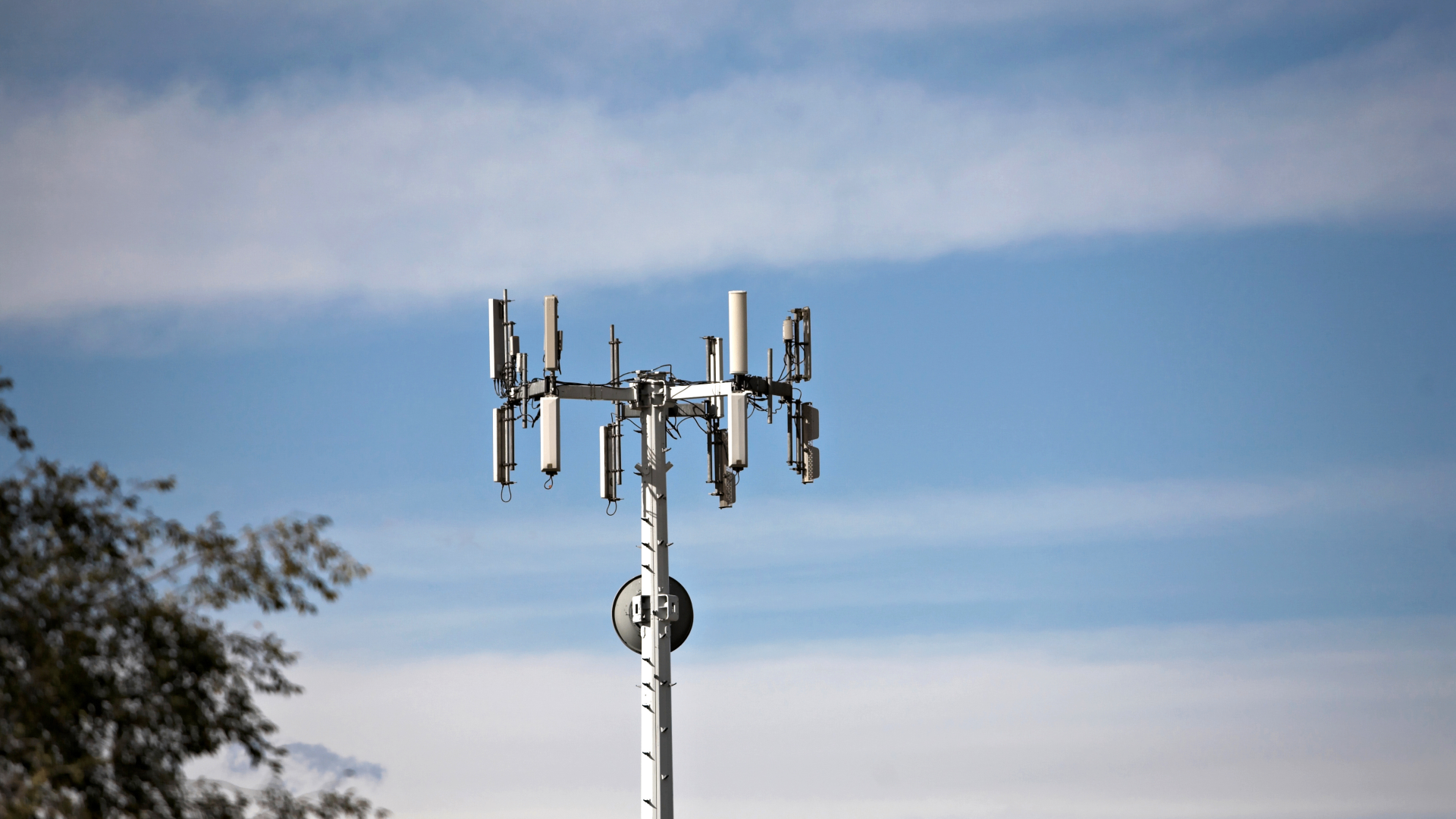
Engineered targets
Engineered for performance
Targets are measured against a defined validation dataset, per asset family. They sit below the trust layer for a reason: production service levels apply per deployment.
90%+
mAP
Detection accuracy target
85%+
F1 score
Defect classification target
<1s
per image
Cloud inference target
<3s
per image
On-device target
500+
images per batch
Batch volume target
99.5%
monthly
Uptime SLO
FAQ
Questions buyers ask before a first deployment
Plain answers on detection, security review, deployment, and integrations. If you need more, we will happily get on a call.
Talk to the teamWhistle AI keeps engineered targets separate from measured production outcomes. Accuracy is assessed against a defined validation dataset, per asset family, with human review gates on high-impact findings.
The platform is designed around privacy by design, GDPR-aligned handling, role-based access, audit logging, and tenant isolation.
A first deployment focuses on a defined asset family, evidence quality, review flow, reporting outputs, and integration points, so teams can validate operational fit before wider rollout.
Whistle AI is API-first and supports REST workflows with planned connections for systems such as Dalux, ITSM, Zabbix, and GIS. Named integrations are clearly status-labelled to avoid overclaiming.
Request a walkthrough
See Whistle AI on your assets
Book a walkthrough and we will show how Whistle AI cuts inspection cost, predicts failures early, and brings full accountability to field operations.